
The nursery edit: believe to be beautiful; know to be useful
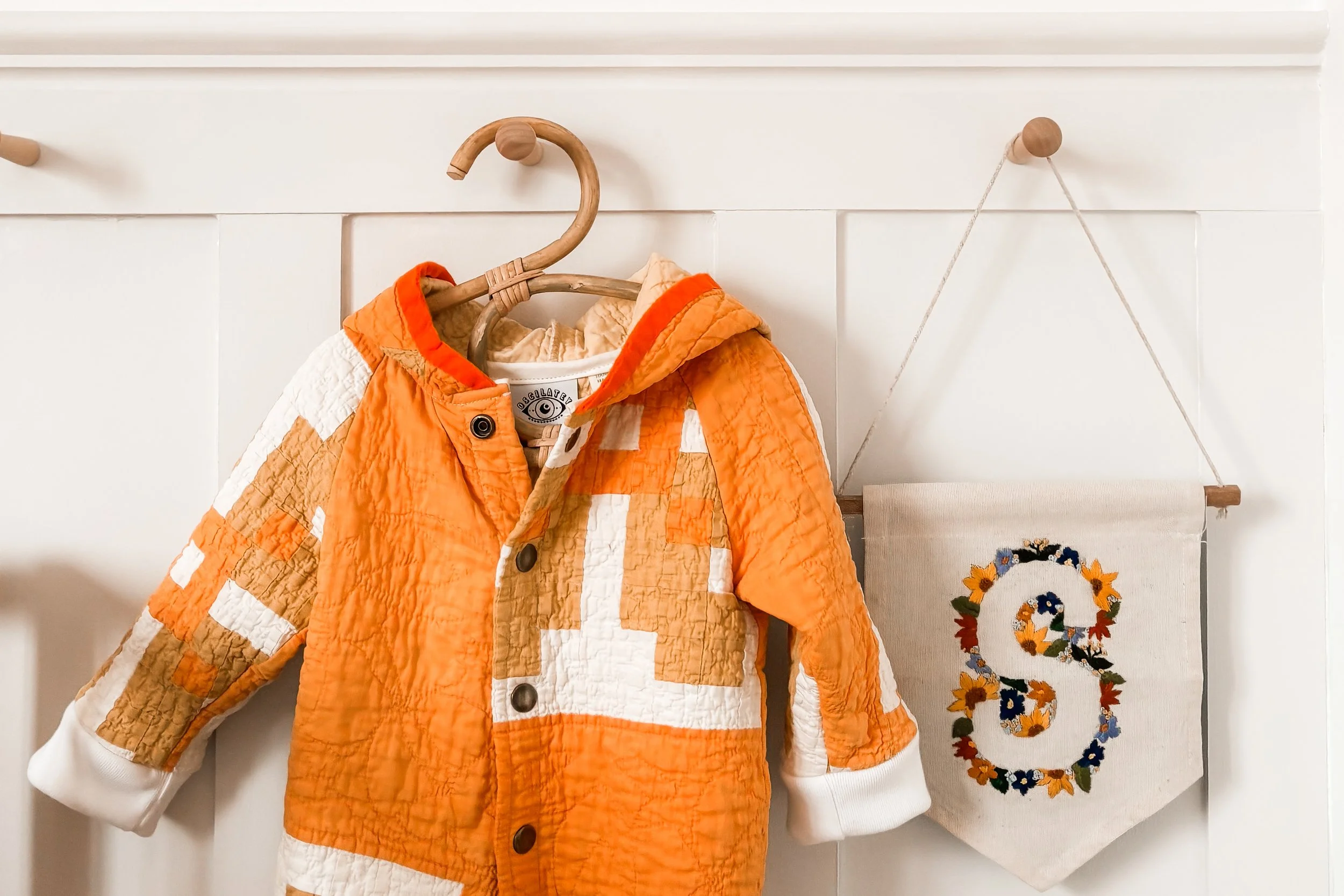
Little thingsA snow romper made from a loved antique quilt, on a curved bamboo hanger, alongside an embroidered pennon with the letter ‘S’, hang from peg board panelling in a nursery.William Morris - designer, poet, craftsman, activist - said “Have nothing in your houses that you do not know to be useful or believe to be beautiful”. I’d like to think I aspire to this ideal in every space in my home, but never was this truer than of a child’s room.
As everyone with children knows, space is at a premium when you have a new baby - who knew such a small person could need so much stuff! And you want that tiny person to feel cosy, happy and inspired in their new surroundings - to be delighted by the colours and textures and shapes of the new world around them. You also want somewhere handy to hang the changing bag. Read on for our guide to creating a dreamy and easy-living nursery.
Our nursery edit brings together the practical and the pretty in one easy place for you. We’ve also included links to our detailed how-to guides which should make wielding the paintbrush, or the drill, in your maternity dungarees a breeze. Check out the end of this blog for our top three recommendations for the perfect nursery that you won’t find suggested anywhere else and everyone will wish they had!
Happy nesting! Love,
Emily x o x
Storage, storage, storage
This is like the famous ‘location, location, location’ adage when choosing a house. When designing a functional room (as the rooms in most homes need to be) start with storage. What does this room need to house, and how is it best accommodated so it can be easily accessed? We’ve outlined the signature pieces you need for your nursery to be a dream for you as well as your little one (and some pitfalls to avoid which the marketing won’t tell you about to save you pennies):
a changing station
room for bedding, blankets etc
easy access to baby clothes
toy storage
a place for books





“Colour is a power that directly influences the soul”
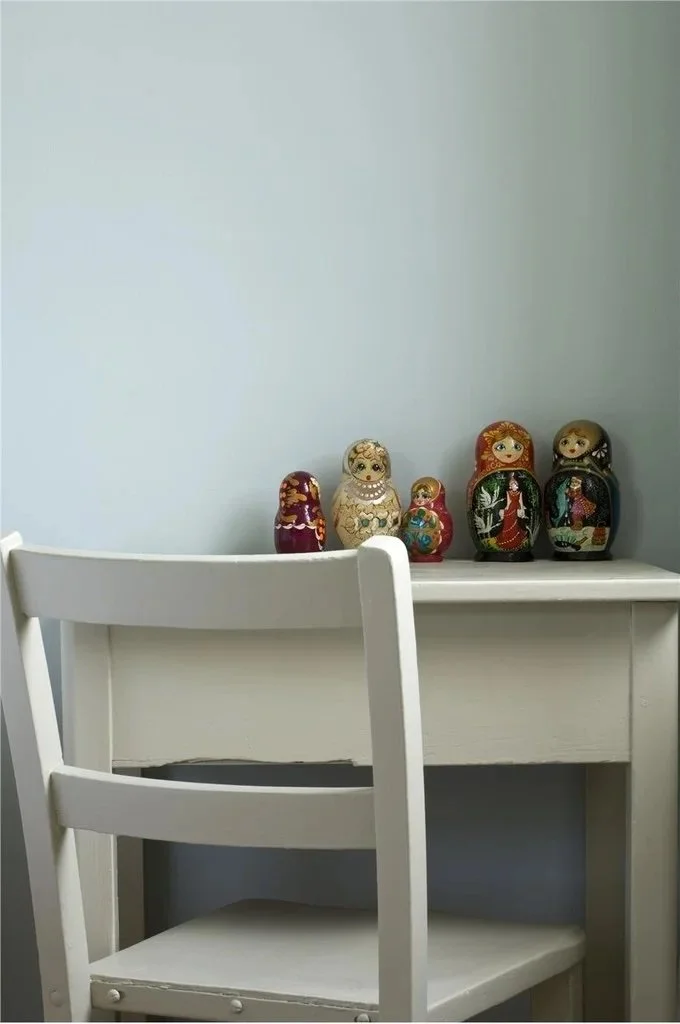
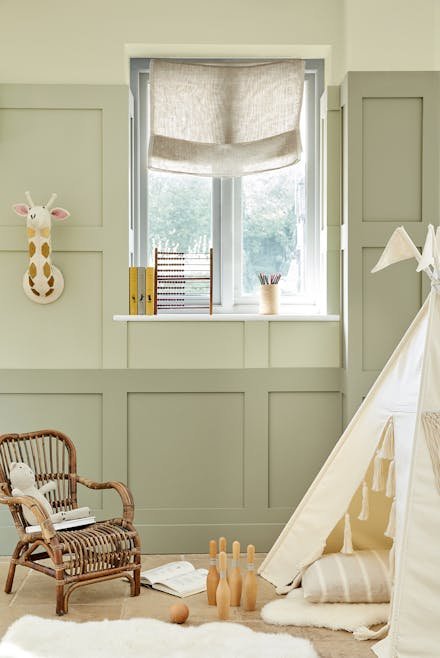
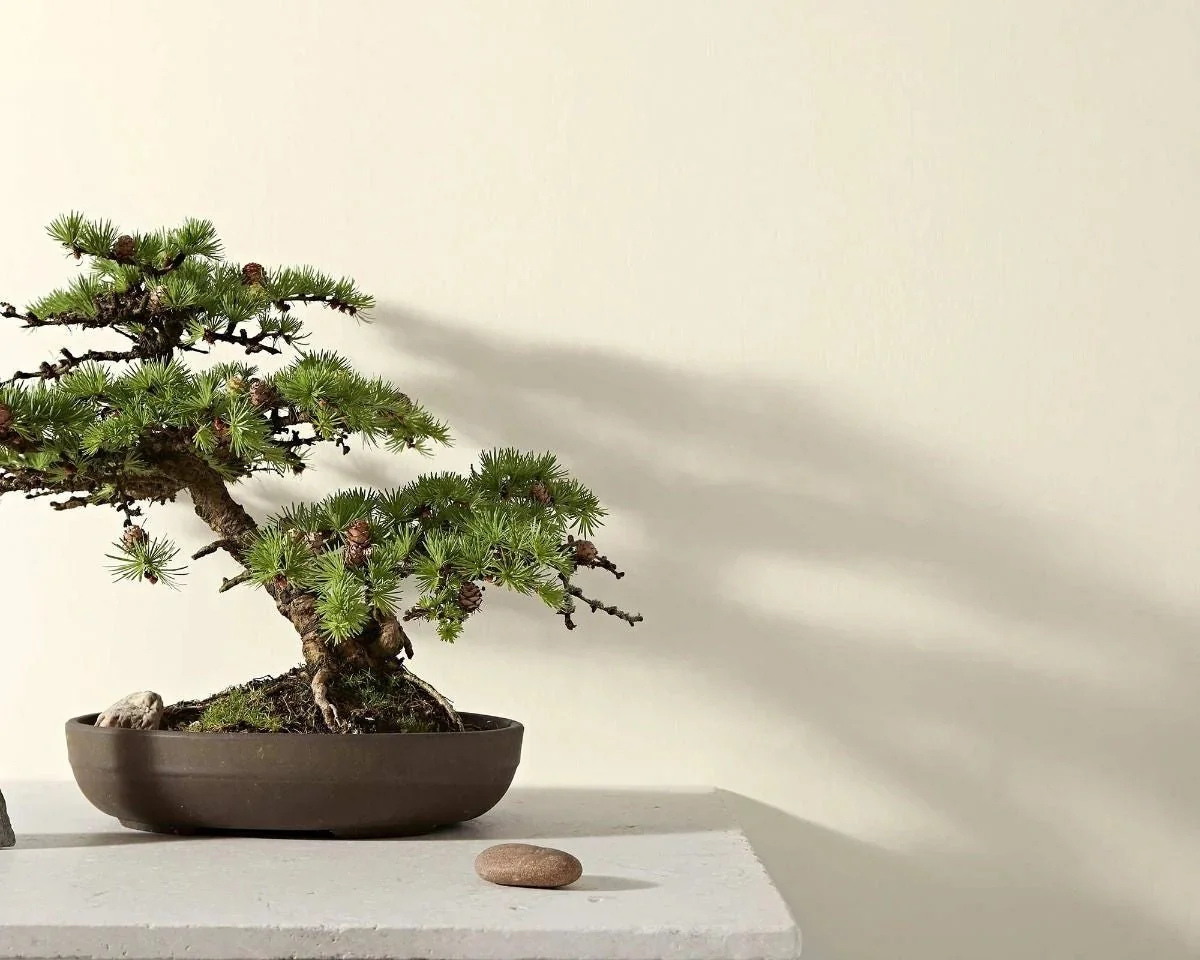
Wassily Kandinsky isn’t the artist behind some of the most iconic, chic nursery art prints for nothing, he knew what he was talking about when it came to colour. Choosing a colour palette can be tough in a nursery when so much seems to be either very gendered or garishly cartoonish. Read our top tips for creating a soothing and complementary colour palette here. Our favourites for neutral, calming nurseries are:
A classic combination of Farrow & Ball’s Elephant’s Breath with Strong White and All White
This colour scale in harmonising shades of Green Light from Little Greene Paint and Paper which is so soothing
“Like the moons pale yellow orb hanging in the sable-vested night; a colour inspiring promise with its watery, bright light” this Gypsum Yellow from Fired Earth is a way to create a sunny, bright space without being overwhelming - lift it up with bright pops of yellow and orange accessories or contrast with blues and pinks for a cheerful, happy space.
Furnishing
To achieve a timeless and stylish look that’s also cosy and welcoming, we recommend pairing one of these colour schemes with the warmth of wood and time-loved textiles. You can use fabric pieces such as rugs, curtains, blankets and cushions to introduce colour and texture in any room and a nursery is an ideal place to deploy this technique as you want it to be as squishy and homely as possible (think play mats, and throws to protect non-washable furniture from sticky little hands!). See our nursery edit for the perfect pieces to add playful colour without compromising on style or comfort. Here are a few of our favourites:
Morris & Co X Totter + Tumble play mat - everyone who sees this wants one, even those without children! I challenge you to buy one and not buy a second for another room!
Berber rug - there is nothing cosier than a Berber rug and we love this one from Ruggable for its bright multi-coloured design on a soothing neutral weave, and for the fact that it’s machine washable! Go for the 7mm tufted version for a soft landing place for tumble time.
We love a sheepskin throw for a cosy little spot to pop your babe down after a nappy change when a new outfit is required. As well as being so warm and snuggly against delicate skin, it’s the perfect size, and doesn’t show the marks. We like this one from Dunelm in neutral for its high quality (and good price!)
Art
The art in your little one’s nursery needs to work hard, nursery edit include kandinsky prints
story tiles
map of the world
alphabet - embroidered
Finishing touches
Nursing chair
Wind chime
Panelling with peg board
New post - Changing station
The unit itself
You’ll have seen lots of very expensive purpose built changing stations advertised to you. I am not about to sell you one. If you have a solid wood chest of drawers that are waist height, perfect, use those. If you don’t, have a look for a vintage pine or oak solid wood set of drawers that you can paint or wax. Or a gorgeous victorian pine tiled washstand with drawer space if you have a larger room and can afford to have a separate chest of drawers in addition to this unit. Ebay, Facebook Market place etc are all great places to pick up a bargain for less than £100. Saving you money to spend on all those nappies! Here are the reasons a good solid chest of drawers or wash stand is better than buying a purpose built changing table:
most purpose built units are MDF topped with laminate. Give a 6 month old 5 minutes with a toy car or a rattle and they’ll show you how chip and scratch resistant it is - i.e. not at all. And once it’s chipped, that’s it, you can’t sand it, and it doesn’t add character, it just starts to look old, and really cheap, very quickly. A hardwood unit in comparison will not only take the knocks but also wear gracefully. Even better if you can source a vintage piece that’s already seen the turn of one if not two centuries. As needed you can sand and rewax (a ten minute job) and your finish is as good as new. Every little mark becomes a story of the fun we had when the pitter patter of tiny feet could be heard.
most changing tables are made of MDF. MDF is not in itself water-resistant. In fact, it’s like a sponge. When it gets wet, it swells. This pushes off the laminate made to protect it and the chips and cracks worsen. By comparison, a well waxed or painted hardwood unit holds out brilliantly as long as you wipe up the spills and don’t let them sit for hours. And when something does escape your attention, the worse is a bit of a watermark which can be sanded and waxed away without much hassle. Personally, I’d choose to wait until the changing station is being repurposed in its next incarnation to do this - once the nappy stage is over! But if you want to do it sooner, you can! Which brings me to…
A solid wood unit can be used for life. This is THE piece of furniture for your little ones forever room. The one they’ll lay by with their toy trains when they’re two, and come home to after school, maybe even on the holidays from university. It can be waxed, painted any colour you (or they) like. Hold a multitude of sins and take the knocks. It will pay you back. A changing table - well, its useful life is over once the potty training is finished, and then it’s another free unit on Facebook Marketplace.
Practicality. Remember that ‘know to be useful’ of the old William Morris adage? So most changing tables have two maybe three open shelves under them and are about the same dimensions in width and depth as a changing mat. You know where any little accidents are going that happen off the side of the mat? (Top tip - if you have boys, they all go off the side of the mat unless you’re a quick draw with a tissue). Yup, on your nice carpet, or maybe your slippers. Small shelves limit storage and look beautiful until you try to store a load of very not beautiful nappies and wipes on them. You know what you won’t have patience for when wrangling a 4 week old? Filling up beautiful nappy caddies and wipe boxes. Trust me, you will end up with a massive cardboard box of nappies on the floor. You also have to bend down to get what you need while holding a squirming human water pistol safely on the mat, as there’s no room for little essentials at your height. you know what also ends up on those open shelves, other than dust? Yep. Get a chest of drawers and you can make it much wider and deeper than the mat itself. In fact make it as big as you have room for. Leaving room for essentials at your height in an easy reach basket on the surface of the chest, alongside the mat, adding extra space to the table for kicking legs and thrashing arms so the necessaries don’t end up on the floor. Oh and those drawers, yeah, easy to open with one hand, no digging around as in a cupboard and nice and clean and dry unlike a shelf. You can thank me at 3am, every night, for the next 6 months.
Price. I hate to talk money, but when building a home, especially one for children, the pennies count. For looks, we love this changing table from CuddleCo. It’s £250. Or you could really push the boat out and go for this from Kas Kopenhagen at £1,399. Both will last you about two years, maybe longer if you have more children, but not likely more than 6 or 7 years before you start thinking, ‘Hmm, do we need this anymore?’ Or you could buy an absolutely beautiful antique chest of drawers or washstand that will last a lifetime for between £200 and £400 in great condition, or much much less if you are willing to put a little work in with the sander or paintbrush yourself.
Be clear, be confident and don’t overthink it. The beauty of your story is that it’s going to continue to evolve and your site can evolve with it. Your goal should be to make it feel right for right now. Later will take care of itself. It always does.
Setting
Panelling for wall protection
Shelving
Accessories
Windchime
Panelling pegs
peg baskets for essentials
Wooden rattle
Heavy tissue box holder
